Table of Contents
- Introduction
- Understanding the Book Printing Process
- Preparing Your Manuscript for Printing
- Choosing the Right Book Size and Format
- Paper Types and Printing Quality
- Binding Options for Different Book Types
- Colour vs Black and White Printing
- Working with a Professional Printing Service
- Final Checks Before Printing
1. Introduction
Printing a book is an exciting milestone for authors, businesses, educators, and organisations. Whether you are producing a novel, a corporate publication, or an educational workbook, understanding the full printing process helps you avoid costly mistakes and ensures a professional final product. In Singapore, where print quality standards are high, knowing what to expect from manuscript to finished book is essential.
2. Understanding the Book Printing Process
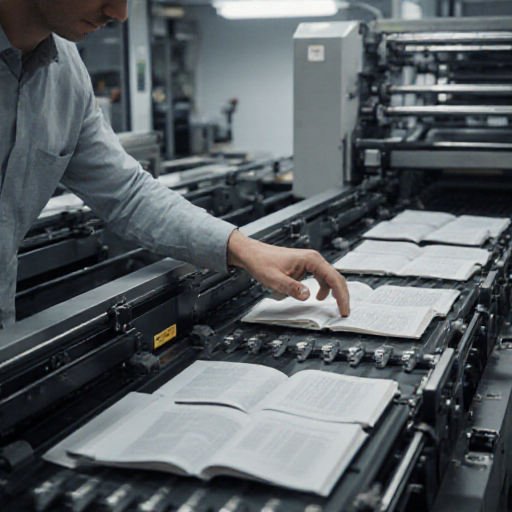
The book printing process typically begins once your manuscript is finalised and edited. From there, the content is formatted, proofed, printed, bound, and delivered. Each stage affects the quality, cost, and durability of the finished book.
Professional printers usually offer guidance on layout, paper selection, and binding options. Understanding this workflow allows you to plan timelines more accurately and ensures smoother communication with your printer.
3. Preparing Your Manuscript for Printing
Before sending your manuscript for printing, it should be thoroughly edited and proofread. Formatting is equally important. Text should be properly aligned, margins set correctly, and page numbers placed consistently.
Most printers prefer print-ready PDF files to avoid formatting issues. Images should be high resolution, and fonts should be embedded to ensure consistency. Spending time on proper preparation reduces revisions and unexpected delays later in the process.
4. Choosing the Right Book Size and Format
Book size plays a significant role in readability and production cost. Common sizes include A5, B5, and A4, depending on the type of book. For example, novels often use smaller sizes, while textbooks and manuals may require larger formats.
Deciding on hardcover or softcover also affects durability and price. Softcover books are more cost-effective for mass printing, while hardcover books are suitable for premium publications and long-term use.
5. Paper Types and Printing Quality
Paper selection impacts both the look and feel of your book. Common options include uncoated paper for novels and matte or glossy coated paper for image-heavy books. Thicker paper offers a more premium feel but increases printing costs.
Understanding paper weight (measured in GSM) helps you strike the right balance between quality and budget. Professional printers can recommend suitable paper based on your content and intended use.
6. Binding Options for Different Book Types
Binding determines how your book holds together and how it opens. Popular binding methods include perfect binding, saddle stitching, and hardcover binding. Each method has its own advantages depending on page count and usage.
For example, perfect binding is commonly used for novels and reports, while saddle stitching is ideal for thinner booklets. Choosing the correct binding ensures durability and improves reader experience.
7. Colour vs Black and White Printing
Deciding between colour and black-and-white printing depends on your content and budget. Colour printing enhances visual appeal for textbooks, children’s books, and marketing materials but comes at a higher cost.
Black-and-white printing is more economical and suitable for text-heavy publications. Some books use a combination of both, with colour pages reserved for key sections.
8. Working with a Professional Printing Service
Partnering with a reliable printer simplifies the entire production process. A professional book printing service can advise on materials, formats, and cost-saving options while maintaining high print quality. Clear communication, accurate quotations, and sample proofs help ensure the final result meets expectations.
9. Final Checks Before Printing
Before approving the final print run, always request a proof copy. Check for layout issues, colour accuracy, and binding quality. Confirm quantities, delivery timelines, and packaging details to avoid last-minute surprises.
With careful planning and the right printing partner, your manuscript can be transformed into a professionally printed book that meets both quality standards and budget requirements.