• Skip to primary navigation
  • Skip to main content
bookpublisher.sg logo

Book Printing Singapore

Book Printing and Book Binding Services

  • Home
  • Book Printing Service
  • Book Publishing Services
    • Self-Publishing Services
  • Flyer Pamphlet Printing Service
  • Blog
  • Contact Us

Book Printing

How to Print Your Book Sustainably?

February 26, 2025 by admin

Eco-Friendly Book Printing

As the demand for books continues to grow, so does the environmental impact of book printing. Traditional book production involves paper consumption, energy use, and chemical-based printing processes, all of which contribute to deforestation, carbon emissions, and pollution. However, with advancements in sustainable printing, authors and publishers now have eco-friendly options to reduce their environmental footprint without compromising on quality. This guide explores sustainable book printing methods and how you can make your publishing process greener.

Book Binding Services Singapore

1. Use Recycled or FSC-Certified Paper

Paper is the primary resource in book printing, and its production contributes significantly to deforestation. Choosing recycled paper or FSC-certified (Forest Stewardship Council) paper ensures that your book is printed on sustainably sourced materials.

Why Choose Recycled or FSC Paper?

  • Reduces Deforestation: Recycled paper minimizes the need for virgin wood pulp, preserving forests.
  • Lower Carbon Footprint: Producing recycled paper uses less water and energy compared to traditional paper.
  • Sustainable Sourcing: FSC-certified paper comes from responsibly managed forests that prioritize biodiversity and replanting.

2. Opt for Soy-Based or Vegetable Inks

Traditional petroleum-based inks contain volatile organic compounds (VOCs) that contribute to air pollution and require harsh chemicals for cleanup. An eco-friendly alternative is soy-based or vegetable-based inks, which are biodegradable and produce vibrant colors.

Benefits of Soy-Based Ink:

  • Non-Toxic & Biodegradable: Made from natural sources, reducing environmental harm.
  • Less Energy Consumption: Requires fewer fossil fuels during production.
  • Easier Recycling: Soy ink doesn’t interfere with paper recycling, making it a cleaner option.

3. Choose Sustainable Printing Methods

Different printing methods have varying levels of environmental impact. Digital printing, for instance, is generally more sustainable than traditional offset printing for small runs.

Sustainable Printing Options:

  • Digital Printing: Reduces waste by printing only the necessary quantity, preventing overproduction.
  • Waterless Printing: Eliminates the need for dampening solutions containing harmful chemicals.
  • On-Demand Printing (POD): Prints books as orders come in, minimizing unsold stock and waste.

4. Minimize Waste in Book Production

Book printing often results in excess paper waste due to overproduction, trimming, and defective copies. Implementing waste reduction strategies can make a significant difference.

How to Reduce Waste:

  • Print in Smaller Batches: Avoid overprinting by estimating demand accurately.
  • Use Efficient Layouts: Optimizing page layouts reduces paper waste.
  • Recycle Leftover Materials: Unused paper and misprints can be recycled or repurposed.

5. Consider Eco-Friendly Packaging and Shipping

Once your book is printed sustainably, it’s important to continue the eco-friendly approach in packaging and shipping.

Green Packaging & Shipping Tips:

  • Use Recyclable or Biodegradable Packaging: Avoid plastic wraps and opt for paper-based alternatives.
  • Partner with Carbon-Neutral Couriers: Some shipping companies offset their emissions by investing in renewable energy.
  • Bundle Shipments: Reducing the number of separate shipments lowers carbon emissions.

Final Thoughts

Eco-friendly book printing is a powerful way to reduce the environmental impact of publishing. By choosing sustainable paper, non-toxic inks, and green printing methods, you can create books that are both high-quality and environmentally responsible. As more readers and authors become conscious of sustainability, adopting these eco-friendly practices will not only help the planet but also enhance your brand’s reputation.

Filed Under: Book Printing

The Ultimate Guide to Book Printing Formats

February 13, 2025 by admin

Book Printing: Hardcover, Paperback, and More

Choosing the right book format is a crucial decision for authors, publishers, and businesses. The format not only affects the book’s appearance but also its durability, cost, and reader experience. Whether you’re self-publishing a novel, printing a corporate report, or creating a coffee table book, understanding different printing formats will help you make an informed choice. In this guide, we’ll explore the most popular book printing formats, their benefits, and how to choose the best one for your project.

The Ultimate Guide to Book Printing Formats

1. Hardcover Books

What Are Hardcover Books?

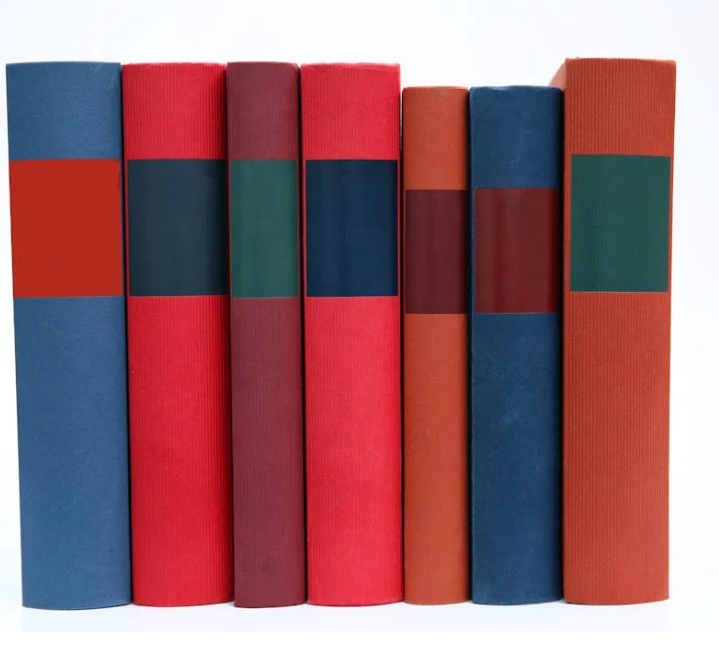
Hardcover books, also known as case-bound books, have rigid covers made of cardboard or other sturdy materials. These covers are wrapped in cloth, leather, or printed paper with a dust jacket.

Benefits of Hardcover Books:

  • Durability: Hardcover books last longer due to their strong binding.
  • Professional Appearance: They offer a high-end, premium look, making them ideal for novels, textbooks, and collector’s editions.
  • Better Protection: The sturdy cover protects pages from damage.

Best Uses for Hardcover Books:

  • Novels and literary works
  • Academic and reference books
  • Special editions and collectibles
  • Coffee table books

2. Paperback Books

What Are Paperback Books?

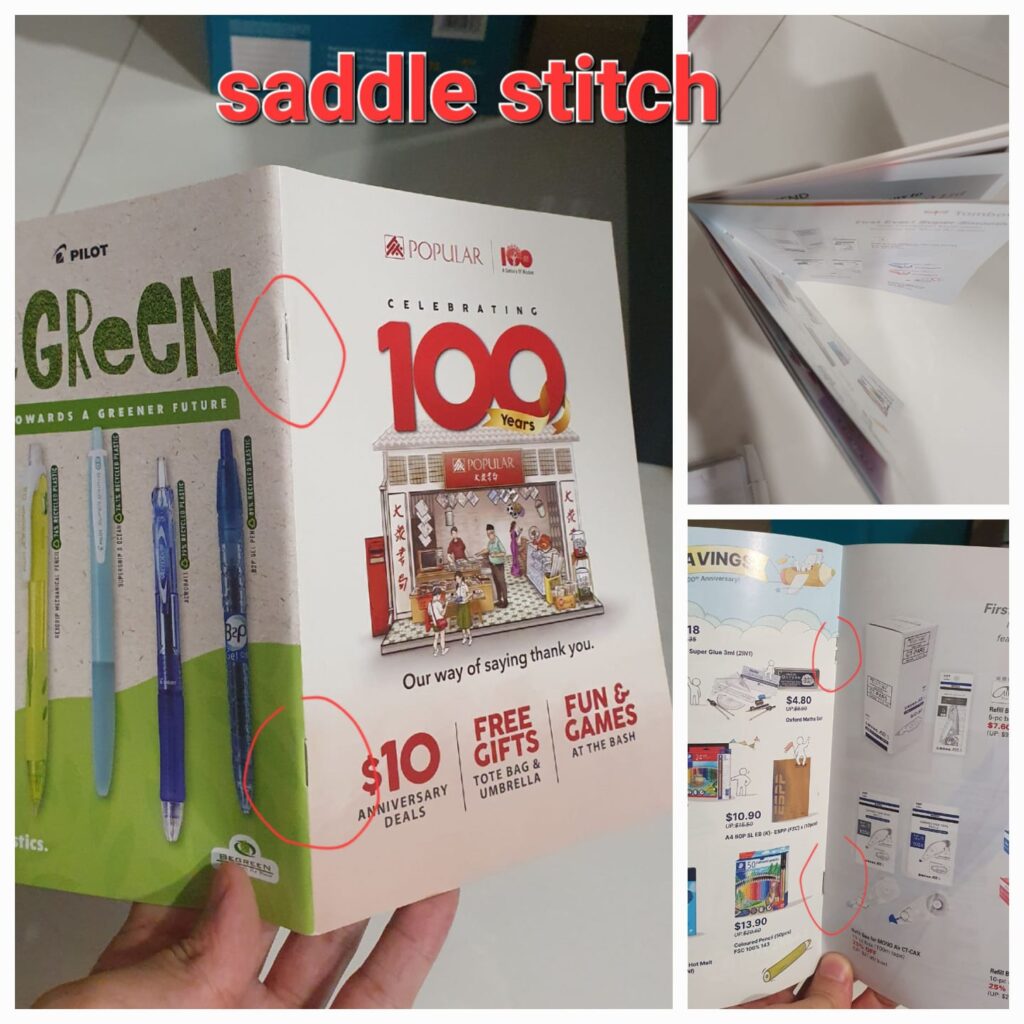
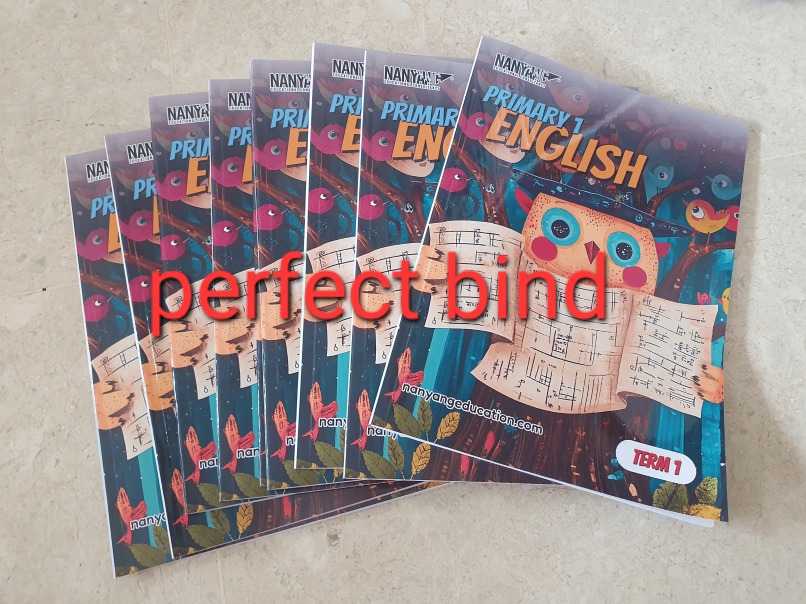
Paperback books, also called softcover books, have flexible covers made of thick paper or cardstock. They are bound using perfect binding (glued spine) or saddle stitching (stapled spine).

Benefits of Paperback Books:

  • Affordable: Paperbacks are more cost-effective to print than hardcover books.
  • Lightweight & Portable: Easier to carry and store, making them popular among casual readers.
  • Faster Production: They have a quicker turnaround time compared to hardcover books.

Best Uses for Paperback Books:

  • Fiction and non-fiction books
  • Magazines and catalogs
  • Workbooks and manuals
  • Self-published books

3. Spiral-Bound Books

What Are Spiral-Bound Books?

Spiral-bound books use plastic or metal coils to hold the pages together. The pages can be opened flat or folded back completely.

Benefits of Spiral-Bound Books:

  • Lay-Flat Design: Ideal for reference materials and workbooks that need to stay open.
  • Easy Page Turning: Pages can be flipped easily without damaging the spine.
  • Customizable: Allows for various page sizes and thicknesses.

Best Uses for Spiral-Bound Books:

  • Cookbooks and recipe books
  • Workbooks and training manuals
  • Calendars and planners
  • Notebooks and journals

4. Saddle-Stitched Books

What Are Saddle-Stitched Books?

Saddle-stitching involves folding and stapling pages along the spine. This is a cost-effective and simple binding method for thin books.

Benefits of Saddle-Stitched Books:

  • Budget-Friendly: One of the most affordable bookbinding methods.
  • Fast Production: Quick turnaround for short-run printing.
  • Lightweight & Flexible: Great for thin booklets and brochures.

Best Uses for Saddle-Stitched Books:

  • Brochures and catalogs
  • Event programs and booklets
  • Small magazines and zines

Which Format Should You Choose?

The best book printing format depends on your project’s purpose, budget, and audience. If you’re printing a high-end novel, hardcover is the best choice. For budget-friendly and portable books, paperback is ideal. Workbooks and manuals benefit from spiral binding, while short booklets work well with saddle-stitching.

By understanding these options, you can ensure your book is not only visually appealing but also practical for your readers. Ready to print your book? Choose a format that best suits your needs here and bring your vision to life!

Filed Under: Book Printing

  • « Go to Previous Page
  • Page 1
  • Interim pages omitted …
  • Page 4
  • Page 5
  • Page 6

Copyright © 2026

WhatsApp us