Printing a children’s book requires much more than simply choosing colourful illustrations and attractive fonts. The size of the book, paper quality, binding method, printing technique, and overall durability all contribute to creating an enjoyable reading experience for young readers.
Whether you are a first-time author, educator, publisher, or business producing educational materials, understanding the book printing process can help you produce a high-quality children’s book that is both visually appealing and built to last.
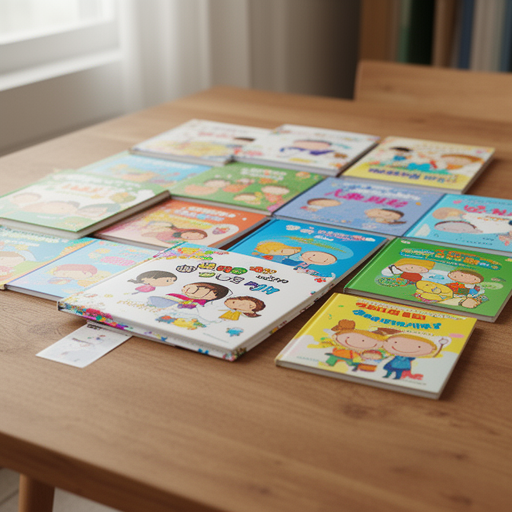
This guide explains everything you need to know about children’s book printing in Singapore, from selecting the right materials to preparing your files for professional printing.
Table of Contents
- Why Children’s Books Require Special Printing
- Choosing the Right Book Size
- Selecting the Best Paper
- Hardcover vs Softcover
- Colour Printing for Children’s Books
- Choosing the Right Binding Method
- Image Resolution and Artwork Preparation
- Safety and Durability Considerations
- Printing Costs
- Common Mistakes to Avoid
- Frequently Asked Questions
- Final Thoughts
Why Children’s Books Require Special Printing
Children’s books are different from novels or textbooks. Young readers are attracted to colourful illustrations, large text, and interactive layouts that encourage learning and imagination.
A well-printed children’s book should be:
- Easy to hold
- Durable
- Safe for young children
- Bright and colourful
- Comfortable to read
- Resistant to frequent handling
Investing in quality printing ensures your book leaves a positive impression on both children and parents.
Choosing the Right Book Size
Book size plays an important role in the reading experience.
Popular sizes include:
| Book Size | Best For |
|---|---|
| A4 (210 × 297 mm) | Educational books and activity books |
| A5 (148 × 210 mm) | Storybooks with more text |
| 210 × 210 mm | Picture books |
| 200 × 200 mm | Children’s storybooks |
| Landscape Format | Interactive books and early learning books |
Square books remain one of the most popular choices because they provide plenty of space for illustrations while remaining easy for children to hold.
Selecting the Best Paper
Paper quality affects both durability and print appearance.
Art Paper
Best for:
- Bright illustrations
- Picture books
- Storybooks
Advantages:
- Smooth surface
- Vibrant colours
- Sharp image reproduction
Woodfree Paper
Suitable for:
- Activity books
- Colouring books
- Educational workbooks
Advantages:
- Easy to write on
- Reduces glare
- Comfortable for reading
Thick Paper
Books intended for toddlers often use thicker paper to reduce tearing and improve durability.
Hardcover vs Softcover
Both options have their advantages.
Hardcover
Ideal for:
- Premium storybooks
- Gift books
- Libraries
- Schools
Advantages:
- Excellent durability
- Premium appearance
- Longer lifespan
- Better protection for pages
Disadvantages:
- Higher production cost
- Slightly heavier
Softcover
Suitable for:
- Classroom books
- Promotional books
- Short story collections
- Budget-friendly publications
Advantages:
- Lower cost
- Lightweight
- Easy to carry
- Faster production
Many first-time authors choose softcover editions before producing hardcover versions.
Colour Printing for Children’s Books
Children’s books rely heavily on colourful illustrations to capture attention.
Professional full-colour printing offers:
- Bright colours
- Smooth gradients
- Sharp illustrations
- Consistent image quality
Using high-quality colour printing helps characters and artwork appear vibrant and engaging.
Choosing the Right Binding Method
Different binding methods suit different types of children’s books.
Perfect Binding
Suitable for:
- Storybooks
- Educational books
- Picture books
Produces a clean, professional appearance.
Saddle Stitch Binding
Suitable for:
- Thin books
- Activity books
- Short readers
Cost-effective for books with a lower page count.
Spiral Binding
Best for:
- Workbooks
- Colouring books
- Activity books
Allows pages to lie flat for easier writing and colouring.
Hardcover Binding
Recommended for:
- Premium children’s books
- Keepsake editions
- Library books
Provides maximum durability and a high-quality finish.
Image Resolution and Artwork Preparation
Children’s books depend on high-quality illustrations.
To achieve the best print results:
- Use images with at least 300 DPI.
- Design using CMYK colour mode.
- Extend artwork to include bleed.
- Keep important text inside the safe area.
- Use professional fonts with good readability.
Preparing print-ready artwork helps prevent unexpected printing issues.
Safety and Durability Considerations
Children frequently handle books, making durability especially important.
Consider:
- Strong binding
- Scratch-resistant lamination
- Thick cover stock
- Durable inner pages
- Rounded corners for younger readers, if required
Selecting quality materials extends the life of the book, especially for classroom or library use.
Printing Costs
The total printing cost depends on several factors.
These include:
- Quantity ordered
- Book size
- Number of pages
- Paper type
- Colour or black-and-white printing
- Binding method
- Cover finish
- Special finishing options
Generally, larger print quantities reduce the cost per copy, making bulk printing more economical for schools, publishers, and businesses.
Common Mistakes to Avoid
Many first-time authors encounter avoidable problems during production.
Common mistakes include:
- Using low-resolution images
- Choosing paper that is too thin
- Selecting fonts that are difficult for children to read
- Designing pages too close to the binding edge
- Forgetting bleed during artwork preparation
- Using overly complex page layouts
- Printing without checking a proof copy
Careful planning helps ensure a smooth printing process and a professional final product.
Frequently Asked Questions
What is the best size for a children’s book?
Square formats such as 200 × 200 mm or 210 × 210 mm are popular because they provide ample space for illustrations while remaining comfortable for children to hold.
Should I choose hardcover or softcover?
Hardcover is ideal for premium books, libraries, and gifts due to its durability. Softcover is more economical and suitable for educational materials, promotional books, and general retail sales.
Which paper is best for children’s books?
Art paper is excellent for colourful illustrations, while woodfree paper is better for activity books and workbooks where children need to write or draw.
Can I print a small quantity?
Yes. Digital printing makes it possible to produce short runs for authors who wish to test the market before committing to a larger print order.
Is bulk printing more cost-effective?
Yes. Printing larger quantities significantly reduces the cost per copy, making it the preferred option for publishers, schools, and organisations.
Final Thoughts
Creating a successful children’s book involves much more than writing an engaging story. Choosing the right book size, paper type, binding method, and printing finish all contribute to producing a book that is attractive, durable, and enjoyable for young readers. High-quality illustrations, vibrant colour printing, and professional finishing help capture children’s attention while ensuring the book withstands repeated use.
Whether you are publishing your first picture book, producing educational materials for schools, or printing a series of children’s storybooks, working with an experienced book printing company ensures your project is completed to a professional standard. By carefully planning each stage of the printing process, you can create a beautifully finished children’s book that delights readers and leaves a lasting impression.