Table of Contents
- Introduction
- Understanding Hardcover and Paperback Books
- Key Differences Between Hardcover and Paperback
- Advantages of Hardcover Books
- Advantages of Paperback Books
- Cost Comparison Between Both Options
- Which Option Looks More Professional?
- Best Use Cases for Each Book Type
- Common Mistakes When Choosing Book Format
- Final Recommendation and Conclusion
1. Introduction
Choosing between hardcover and paperback is one of the most important decisions in book printing. This choice affects not only cost but also durability, branding, and how readers perceive your book.
If you are planning your publishing journey, it is useful to understand the full process through this guide on how to publish a book in Singapore.
This article will help you decide which book format is best for your project.
2. Understanding Hardcover and Paperback Books
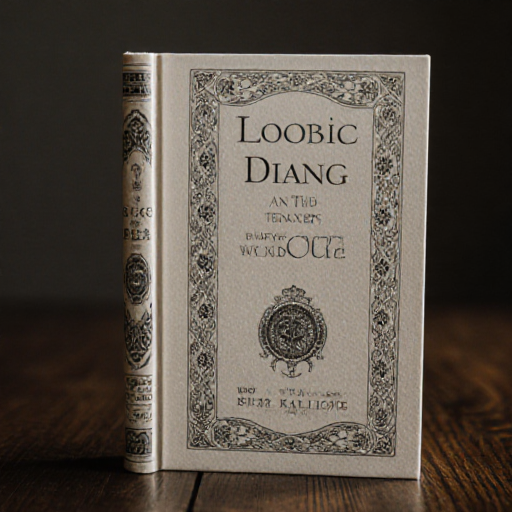
Hardcover books are bound with a rigid protective cover, while paperback books use a flexible soft cover.
- Hardcover → Durable, premium, long-lasting
- Paperback → Lightweight, flexible, cost-effective
Both formats are widely used depending on purpose and audience.
3. Key Differences Between Hardcover and Paperback
| Feature | Hardcover | Paperback |
|---|---|---|
| Cover Type | Hard, rigid board | Soft, flexible cover |
| Durability | High | Moderate |
| Cost | Higher | Lower |
| Weight | Heavier | Lighter |
| Appearance | Premium | Simple and practical |
4. Advantages of Hardcover Books
Hardcover books are often seen as premium products.
Benefits include:
- Strong durability and long lifespan
- Premium and professional appearance
- Better protection for pages
- Higher perceived value
They are commonly used for special editions and high-value publications.
5. Advantages of Paperback Books
Paperback books are more affordable and widely accessible.
Benefits include:
- Lower production cost
- Lightweight and easy to carry
- Ideal for mass distribution
- Faster production time
They are commonly used for novels, educational materials, and general reading books.
6. Cost Comparison Between Both Options
Cost is one of the biggest deciding factors.
- Hardcover → Higher material and binding cost
- Paperback → More budget-friendly for large print runs
For a deeper breakdown of printing expenses, you can refer to this guide on book printing cost factors and pricing structure.
7. Which Option Looks More Professional?
Hardcover books are generally perceived as more professional and premium due to their durability and presentation.
However, paperback books can still look highly professional when:
- Designed well
- Printed with high-quality materials
- Properly formatted
The “best” choice depends on your branding goals.
8. Best Use Cases for Each Book Type
Hardcover books are best for:
- Corporate publications
- Coffee table books
- Special editions
- Gift books
- High-end branding materials
Paperback books are best for:
- Novels
- Educational books
- Workbooks
- Mass-market distribution
9. Common Mistakes When Choosing Book Format
Many authors make mistakes such as:
- Choosing based only on cost
- Ignoring target audience expectations
- Overestimating demand for hardcover editions
- Not considering distribution needs
- Misaligning format with book purpose
These mistakes can affect sales and reader experience.
10. Final Recommendation and Conclusion
There is no universal answer between hardcover and paperback. The right choice depends on your budget, audience, and publishing goals.
Hardcover is ideal for premium positioning and durability, while paperback is better for affordability and mass distribution. Many authors even choose to offer both versions for different markets.
Understanding your audience and purpose will help you make the most effective book printing decision.