Table of Contents
- Introduction
- Why Sustainable Book Printing Matters
- What Makes Book Printing Sustainable
- Eco-Friendly Paper Options
- Environmentally Friendly Printing Methods
- Reducing Waste in Book Production
- Sustainable Binding and Finishing Choices
- How Authors Can Print More Responsibly
- Cost vs Sustainability Considerations
- Final Thoughts
1. Introduction
Sustainable book printing is becoming increasingly important as more authors and businesses look for environmentally responsible ways to produce printed materials. In Singapore, eco-friendly printing options are now more accessible, allowing creators to reduce environmental impact without sacrificing quality.
If you are exploring the publishing process, it is helpful to understand the full journey through this guide on how to publish a book in Singapore.
This article explains how authors can choose sustainable printing options while maintaining professional standards.
2. Why Sustainable Book Printing Matters
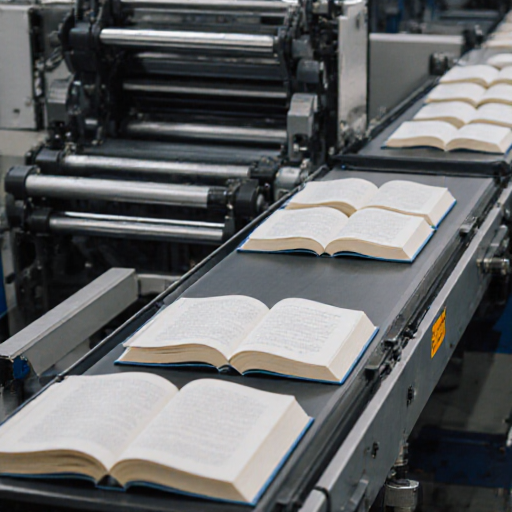
Traditional printing can have a significant environmental impact due to:
- Paper consumption
- Ink usage
- Energy-intensive production
- Excess production waste
Sustainable printing helps reduce:
- Carbon footprint
- Resource waste
- Environmental damage
It also aligns with modern consumer expectations for eco-conscious products.
3. What Makes Book Printing Sustainable
A book printing process is considered sustainable when it:
- Uses responsibly sourced paper
- Minimises waste during production
- Reduces energy consumption
- Uses eco-friendly inks
Many modern printing services now integrate these practices into their workflows.
4. Eco-Friendly Paper Options
Paper selection plays a major role in sustainability.
Common eco-friendly options include:
- Recycled paper
- FSC-certified paper (responsibly managed forests)
- Uncoated natural paper
- Lightweight paper to reduce material usage
Choosing the right paper can significantly reduce environmental impact.
5. Environmentally Friendly Printing Methods
Some printing methods are more sustainable than others.
- Digital printing → Less waste, ideal for small runs
- Print-on-demand → Reduces overproduction
- Offset printing (with eco practices) → Efficient for bulk production when planned properly
For cost and method comparison, you can refer to this guide on digital vs offset printing methods.
6. Reducing Waste in Book Production
Waste reduction is a key part of sustainable printing.
Best practices include:
- Printing only required quantities
- Avoiding overproduction
- Using digital proofs instead of multiple physical samples
- Optimising layout to reduce page count
Efficient planning helps minimise unnecessary waste.
7. Sustainable Binding and Finishing Choices
Binding and finishing also affect sustainability.
Eco-friendly options:
- Minimal plastic lamination
- Recyclable binding materials
- Lightweight cover designs
- Simple finishing techniques instead of heavy coatings
These choices reduce environmental impact while maintaining quality.
8. How Authors Can Print More Responsibly
Authors play a key role in sustainability by:
- Choosing eco-conscious printing partners
- Printing smaller initial batches
- Using digital marketing instead of excess physical copies
- Designing efficient layouts to reduce pages
For more guidance, see this resource on why choosing local printing services can be more sustainable.
9. Cost vs Sustainability Considerations
Some eco-friendly choices may have slightly higher upfront costs, but they often provide long-term benefits such as:
- Reduced waste expenses
- Better brand reputation
- Alignment with environmental values
- More efficient production planning
Sustainability should be viewed as an investment rather than an expense.
10. Final Thoughts
Sustainable book printing is no longer a niche option—it is becoming a standard expectation for modern authors and publishers. By making thoughtful choices in paper, printing methods, and production planning, it is possible to create high-quality books while reducing environmental impact.
With the right approach, authors in Singapore can produce professional books that are both visually impressive and environmentally responsible.