• Skip to primary navigation
  • Skip to main content
bookpublisher.sg logo

Book Printing Singapore

Book Printing and Book Binding Services

  • Home
  • Book Printing Service
  • Book Publishing Services
    • Self-Publishing Services
  • Flyer Pamphlet Printing Service
  • Blog
  • Contact Us

admin

How to Reduce Book Printing Costs Without Compromising Quality

May 4, 2026 by admin

Table of Contents

  1. Introduction
  2. Why Book Printing Costs Vary
  3. Choose the Right Printing Method
  4. Optimize Book Size and Page Count
  5. Smart Paper Selection Strategies
  6. Reduce Colour Usage Where Possible
  7. Print in Bulk vs Small Runs
  8. Improve File Preparation to Avoid Reprints
  9. Work with the Right Printing Partner
  10. Final Thoughts

1. Introduction

Printing a book can be expensive, especially for self-published authors and small businesses. However, reducing costs does not always mean lowering quality. With the right decisions, you can achieve a professional finish while staying within budget.

If you are still planning your publishing journey, it helps to understand the full process through this guide on how to publish a book in Singapore.

This article explains practical ways to reduce book printing costs without sacrificing quality.

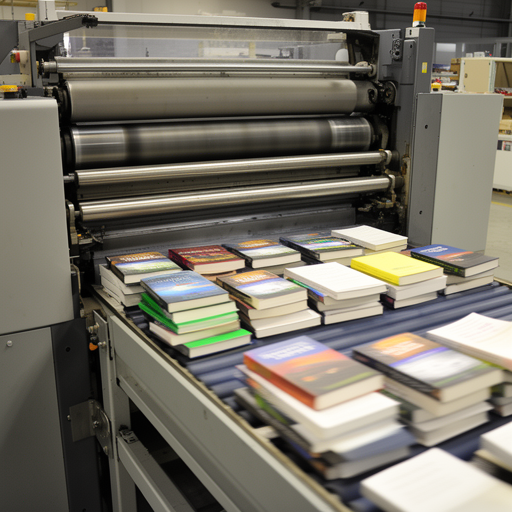
How to Reduce Book Printing Costs Without Compromising Quality

2. Why Book Printing Costs Vary

Book printing costs depend on several factors:

  • Printing method used
  • Page count and book size
  • Paper type and thickness
  • Colour vs black-and-white printing
  • Binding style
  • Quantity ordered

Understanding these factors helps you make smarter cost decisions.


3. Choose the Right Printing Method

One of the biggest cost factors is printing technology.

  • Digital printing → Best for small quantities
  • Offset printing → More cost-effective for large volumes
  • Print-on-demand → No inventory cost but higher per-unit price

For a detailed comparison, you can refer to this guide on digital vs offset printing options.

Choosing the right method based on quantity can significantly reduce costs.


4. Optimize Book Size and Page Count

Book dimensions and length directly affect cost.

Ways to save money:

  • Use standard book sizes instead of custom sizes
  • Avoid unnecessary content or blank pages
  • Use efficient layout design to reduce page count

Even a small reduction in pages can lead to noticeable savings.


5. Smart Paper Selection Strategies

Paper choice affects both cost and perceived quality.

Cost-saving tips:

  • Choose standard paper weights instead of premium thick stock
  • Use matte or uncoated paper for text-heavy books
  • Reserve premium paper for covers only

Balancing cost and readability is key.


6. Reduce Colour Usage Where Possible

Colour printing is significantly more expensive than black-and-white.

To save costs:

  • Use black-and-white for text-heavy pages
  • Reserve colour only for images or key sections
  • Avoid unnecessary full-page colour designs

This is especially effective for novels and educational books.


7. Print in Bulk vs Small Runs

Quantity has a major impact on cost per unit.

  • Small print runs → Higher cost per book
  • Large print runs → Lower cost per book

If demand is stable, bulk printing can reduce overall expenses significantly.

However, beginners should balance risk and inventory storage.


8. Improve File Preparation to Avoid Reprints

Poor file preparation can lead to costly reprints.

Avoid:

  • Low-resolution images
  • Incorrect margins or bleed settings
  • Missing fonts or formatting errors

A properly prepared file ensures smooth printing without extra charges.

For technical guidance, refer to this resource on book printing file formats and setup standards.


9. Work with the Right Printing Partner

Choosing an experienced printing service helps reduce hidden costs.

A good printer will:

  • Suggest cost-effective materials
  • Help optimize file setup
  • Avoid unnecessary reprints
  • Offer scalable printing options

Poor service providers often lead to unexpected expenses.


10. Final Thoughts

Reducing book printing costs is possible without compromising quality if you make informed decisions. From selecting the right printing method to optimizing design and materials, every choice contributes to overall savings.

By planning carefully and working with the right printing partner, authors and businesses can produce high-quality books while staying within budget.

Filed Under: Book Printing, Book Publishing

Best Book Printing Options for Self-Published Authors in Singapore

April 24, 2026 by admin

Table of Contents

  1. Introduction
  2. Understanding Self-Publishing in Singapore
  3. Main Book Printing Options Available
  4. Digital Printing for Self-Published Authors
  5. Offset Printing for Larger Print Runs
  6. Print-on-Demand Services
  7. Choosing the Right Option Based on Budget
  8. Quality vs Quantity Considerations
  9. Common Mistakes Self-Published Authors Make
  10. Final Thoughts

1. Introduction

Self-publishing has become one of the most popular ways for authors in Singapore to bring their books to life without relying on traditional publishers. However, choosing the right printing option is a critical decision that affects cost, quality, and distribution.

If you are just getting started, it is helpful to understand the full publishing process through this guide on how to publish a book in Singapore.

This article explains the best book printing options available for self-published authors in Singapore and how to choose the right one.

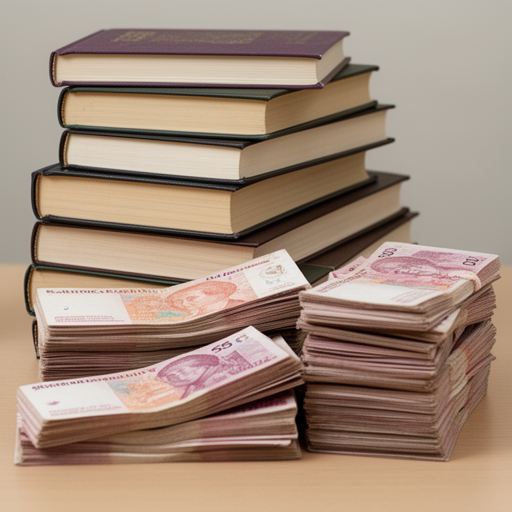
Best Book Printing Options for Self-Published Authors in Singapore

2. Understanding Self-Publishing in Singapore

Self-publishing allows authors to:

  • Retain full control over content
  • Manage their own printing and distribution
  • Keep higher profit margins
  • Publish without traditional gatekeepers

However, it also means authors must make decisions about printing methods, formats, and costs.


3. Main Book Printing Options Available

Self-published authors in Singapore typically choose from:

  • Digital printing
  • Offset printing
  • Print-on-demand services

Each option has different advantages depending on print volume, budget, and timeline.


4. Digital Printing for Self-Published Authors

Digital printing is the most common choice for first-time authors.

Advantages:

  • Low setup cost
  • Suitable for small print runs
  • Fast turnaround time
  • Easy to make revisions

It is ideal for authors testing the market or printing limited copies.


5. Offset Printing for Larger Print Runs

Offset printing is used for larger quantities.

Advantages:

  • Lower cost per unit for bulk orders
  • High and consistent print quality
  • Suitable for large-scale distribution

However, it requires higher upfront investment and longer production time.


6. Print-on-Demand Services

Print-on-demand allows books to be printed only when ordered.

Advantages:

  • No inventory required
  • Minimal financial risk
  • Ideal for online sales
  • Flexible publishing model

This option is increasingly popular among independent authors and small publishers.


7. Choosing the Right Option Based on Budget

Budget plays a major role in deciding the printing method:

  • Low budget → Digital printing or print-on-demand
  • Medium budget → Hybrid approach (small digital + later offset)
  • High budget → Offset printing for bulk production

Understanding your financial goals helps avoid overspending.


8. Quality vs Quantity Considerations

Authors must balance:

  • Print quality expectations
  • Number of copies required
  • Target audience size
  • Distribution strategy

Sometimes, higher quality printing is more important than quantity, especially for premium books.


9. Common Mistakes Self-Published Authors Make

Some common mistakes include:

  • Choosing offset printing too early
  • Overprinting without demand validation
  • Ignoring print quality differences
  • Not comparing printing providers
  • Underestimating production timelines

Avoiding these mistakes improves publishing success.


10. Final Thoughts

Choosing the right printing option is one of the most important decisions in self-publishing. Each method—digital, offset, or print-on-demand—has its own strengths depending on your goals.

By understanding your budget, audience, and long-term plan, you can select the most suitable printing approach and produce a professional-quality book that meets your publishing objectives.

Filed Under: Book Printing, Book Publishing

How to Choose Between Matte and Glossy Book Finishing

April 18, 2026 by admin

Table of Contents

  1. Introduction
  2. Why Book Finishing Matters
  3. What Is Matte Finishing?
  4. What Is Glossy Finishing?
  5. Key Differences Between Matte and Glossy
  6. Best Use Cases for Matte Finishing
  7. Best Use Cases for Glossy Finishing
  8. How Finishing Affects Branding and Perception
  9. Common Mistakes When Choosing Finishing Options
  10. Final Recommendation and Conclusion

1. Introduction

Choosing between matte and glossy finishing is one of the most important design decisions in book printing. While many authors focus on content, the finishing of the cover directly affects how readers perceive the book’s quality and professionalism.

If you are still planning your publishing journey, it helps to understand the full process through this guide on how to publish a book in Singapore

This article explains the differences between matte and glossy finishes and how to choose the right option for your book.

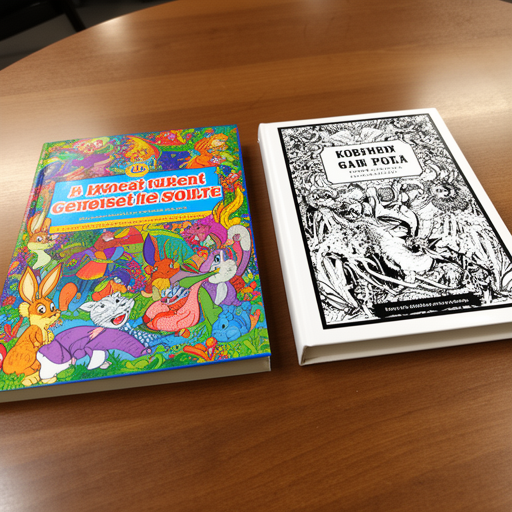
How to Choose Between Matte and Glossy Book Finishing

2. Why Book Finishing Matters

Book finishing is more than just aesthetics. It impacts:

  • First impressions of your book
  • Durability of the cover
  • Branding and market positioning
  • Reader expectations

A well-chosen finish can make a simple design look premium and professional.


3. What Is Matte Finishing?

Matte finishing gives the book cover a smooth, non-shiny surface.

Characteristics:

  • Soft and elegant appearance
  • Minimal glare under light
  • Slightly textured feel
  • More professional and subtle look

Matte is often used for serious, academic, or corporate publications.


4. What Is Glossy Finishing?

Glossy finishing gives the book cover a shiny, reflective surface.

Characteristics:

  • Bright and vibrant colours
  • Smooth and polished appearance
  • Reflects light easily
  • Eye-catching design effect

Glossy is commonly used for visually driven books.


5. Key Differences Between Matte and Glossy

FeatureMatteGlossy
ShineNo shineHigh shine
LookSubtle & premiumBright & bold
DurabilityLess fingerprint visibilityMore prone to fingerprints
Colour impactSofter tonesMore vibrant colours

6. Best Use Cases for Matte Finishing

Matte finishing is ideal for:

  • Business books
  • Educational materials
  • Corporate reports
  • Novels and literature
  • Minimalist designs

It gives a more professional and sophisticated impression.


7. Best Use Cases for Glossy Finishing

Glossy finishing works best for:

  • Children’s books
  • Marketing materials
  • Photo-heavy books
  • Product catalogues
  • Creative or visual publications

It enhances colour vibrancy and visual appeal.


8. How Finishing Affects Branding and Perception

The finish you choose directly influences how readers perceive your brand.

  • Matte = professional, serious, premium
  • Glossy = energetic, creative, attention-grabbing

For authors and businesses, this choice should align with overall brand identity and target audience expectations.


9. Common Mistakes When Choosing Finishing Options

Many authors make mistakes such as:

  • Choosing based only on personal preference
  • Ignoring target audience expectations
  • Not considering book genre
  • Overlooking durability needs
  • Matching finish poorly with cover design

These mistakes can reduce the perceived value of the book.


10. Final Recommendation and Conclusion

There is no universal “best” choice between matte and glossy finishing. The right option depends on your book’s purpose, audience, and design style.

If you want a premium, subtle, and professional look, matte is often preferred. If you want vibrant visuals and strong shelf appeal, glossy is a better choice.

Understanding these differences ensures your book not only reads well but also looks professionally produced in the final printed form.

Filed Under: Book Printing, Book Publishing

Book Printing File Requirements: What Authors Must Know Before Printing

April 11, 2026 by admin

Table of Contents

  1. Introduction
  2. Why File Requirements Matter in Book Printing
  3. Recommended File Format for Printing
  4. Image and Graphic Resolution Guidelines
  5. Bleed, Margin, and Trim Settings Explained
  6. Font and Typography Requirements
  7. Colour Settings for Print Accuracy
  8. Common File Preparation Mistakes
  9. Pre-Submission Checklist for Authors
  10. Conclusion

1. Introduction

Before sending your book for printing, one of the most important steps is ensuring your files meet professional printing requirements. Even well-written books can turn out poorly if the files are not properly prepared.

If you are still learning about the publishing process, it is useful to understand the full workflow in this guide on how to publish a book in Singapore.

This article explains the essential file requirements every author must follow before printing a book in Singapore.

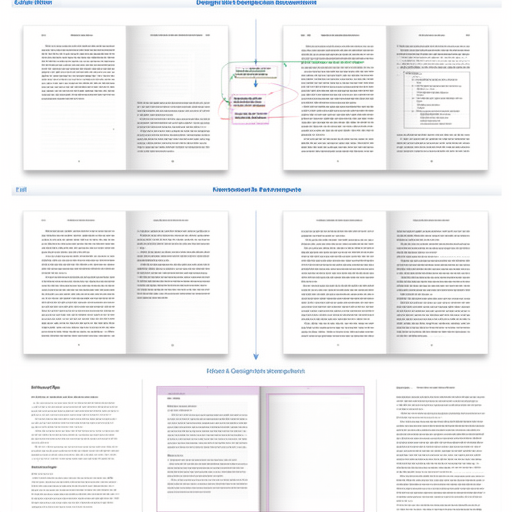
Book Printing File Requirements: What Authors Must Know Before Printing

2. Why File Requirements Matter in Book Printing

File preparation directly affects the final print quality. If files are incorrect, you may experience:

  • Blurry images
  • Misaligned text
  • Cropped content
  • Colour inconsistencies
  • Printing delays or extra costs

Professional printers rely entirely on the files you submit, so accuracy is critical.


3. Recommended File Format for Printing

Most professional book printers require:

  • PDF (Print-Ready Format)
  • High-resolution export settings
  • Embedded fonts

PDF is preferred because it preserves layout, formatting, and design consistency across all devices and printers.

For deeper understanding of print setups, refer to this guide on book printing formats and technical standards.


4. Image and Graphic Resolution Guidelines

Images must be high quality to avoid pixelation in print.

Recommended standards:

  • Minimum 300 DPI resolution
  • High-quality PNG or TIFF formats
  • Avoid compressed or low-resolution images

Low-resolution images often appear blurry when printed, especially in larger formats.


5. Bleed, Margin, and Trim Settings Explained

Proper layout settings ensure your book is printed correctly without cutting off important content.

  • Bleed: Extra space beyond page edges to prevent white borders
  • Margins: Safe area to keep text away from edges
  • Trim line: Final cut size of the book

Incorrect settings can result in missing text or uneven edges.


6. Font and Typography Requirements

Typography plays a key role in readability and print quality.

Best practices:

  • Use standard fonts like Times New Roman, Arial, or Garamond
  • Avoid decorative or unsupported fonts
  • Ensure fonts are embedded in the PDF
  • Maintain consistent font sizes throughout

Missing fonts can cause layout shifts during printing.


7. Colour Settings for Print Accuracy

Colour differences between screen and print are common if not managed correctly.

Guidelines:

  • Use CMYK colour mode instead of RGB
  • Avoid overly bright neon colours (they may not print accurately)
  • Test print samples if possible

CMYK ensures colours appear closer to the final printed version.


8. Common File Preparation Mistakes

Many authors make avoidable mistakes such as:

  • Uploading Word files instead of PDFs
  • Using low-resolution images
  • Ignoring bleed settings
  • Forgetting to embed fonts
  • Incorrect page sizing

These errors often lead to delays or additional revision costs.


9. Pre-Submission Checklist for Authors

Before submitting your files, ensure:

  • File is in PDF format
  • Images are at least 300 DPI
  • Bleed and margins are correctly set
  • Fonts are embedded
  • Pages are correctly ordered
  • Colour mode is CMYK

A final review helps prevent unnecessary printing issues.


10. Conclusion

Meeting proper file requirements is essential for producing a high-quality printed book. Authors who prepare their files correctly save time, reduce costs, and achieve better publishing results.

By following standard printing guidelines, you ensure your manuscript is ready for smooth and professional production without unexpected errors.

Filed Under: Book Printing, Book Publishing

How to Prepare Your Manuscript for Book Printing in Singapore

April 4, 2026 by admin

Table of Contents

  1. Introduction
  2. Why Manuscript Preparation Matters
  3. Finalising Your Content Before Printing
  4. Formatting Your Manuscript Correctly
  5. Structuring Your Book for Print
  6. Editing and Proofreading Checklist
  7. Common Manuscript Mistakes to Avoid
  8. Preparing Files for Professional Printing
  9. Final Pre-Print Checklist
  10. Conclusion

1. Introduction

Preparing your manuscript properly is one of the most important steps before sending your book for printing. Many authors focus only on writing, but overlook formatting, structure, and technical requirements, which can lead to costly delays or reprints.

If you are planning to publish your book locally, it is helpful to understand the full process through this guide on how to publish a book in Singapore.

This article will guide you step-by-step on how to prepare your manuscript correctly for professional book printing in Singapore.

How to Prepare Your Manuscript for Book Printing in Singapore

2. Why Manuscript Preparation Matters

A well-prepared manuscript ensures:

  • Clean and professional book layout
  • Fewer errors during printing
  • Lower chances of rework or reformatting
  • Faster approval from printing services

Printers work based on your submitted file, so any mistake in formatting or structure will be directly reflected in the final book.


3. Finalising Your Content Before Printing

Before thinking about design or formatting, you must finalise your content.

This includes:

  • Completing all chapters
  • Ensuring logical flow of ideas
  • Removing repeated or unnecessary sections
  • Confirming the final version of your manuscript

Once printing starts, making content changes becomes expensive and time-consuming.


4. Formatting Your Manuscript Correctly

Proper formatting is essential for professional printing results.

Key formatting guidelines include:

  • Use standard fonts (e.g., Times New Roman or Arial)
  • Maintain consistent font size throughout
  • Use proper line spacing (usually 1.15 or 1.5)
  • Align text consistently
  • Avoid excessive styling or colors

Incorrect formatting can lead to layout issues in the final printed book.

For deeper formatting standards, refer to this book printing formats and technical setup.


5. Structuring Your Book for Print

A properly structured manuscript improves readability and professionalism.

Your book should include:

  • Title page
  • Copyright page
  • Table of contents
  • Chapters with clear headings
  • Page numbers
  • Conclusion or closing section

Each section should be clearly separated and logically arranged.


6. Editing and Proofreading Checklist

Editing is one of the most important stages before printing.

Check for:

  • Grammar and spelling errors
  • Sentence clarity
  • Consistent terminology
  • Punctuation accuracy
  • Flow and readability

It is recommended to review your manuscript multiple times or engage a professional editor if possible.


7. Common Manuscript Mistakes to Avoid

Many first-time authors make avoidable mistakes such as:

  • Submitting unedited drafts
  • Using inconsistent formatting
  • Ignoring page layout structure
  • Forgetting headers and footers
  • Overlooking spacing issues

These mistakes can reduce the overall quality of your printed book.

Avoiding them is critical, as explained in this common book printing mistakes authors should avoid.


8. Preparing Files for Professional Printing

Most professional printing services require your manuscript in:

  • PDF format (preferred)
  • High-resolution layout
  • Print-ready margins and bleed settings

Make sure:

  • Images are high quality (300 DPI recommended)
  • Fonts are embedded properly
  • No missing pages or elements exist

Incorrect file preparation can delay the printing process.


9. Final Pre-Print Checklist

Before submitting your manuscript, ensure:

  • All content is final
  • Formatting is consistent
  • Spelling and grammar are checked
  • Page order is correct
  • File is saved in print-ready PDF format
  • Cover and interior files are separated if required

A final review prevents costly reprints and production delays.


10. Conclusion

Preparing your manuscript properly is the foundation of successful book printing. A well-structured, correctly formatted, and carefully edited manuscript ensures your final printed book looks professional and polished.

By following these steps and using reliable printing guidelines, authors can significantly improve their publishing outcomes and avoid unnecessary mistakes during production.

Filed Under: Book Printing, Book Publishing

Step-by-Step Guide to Choosing the Right Book Printing Service in Singapore

March 28, 2026 by admin


Table of Contents

  1. Introduction
  2. Understanding Your Book’s Requirements
  3. Evaluating Printing Methods: Digital vs. Offset
  4. Selecting the Right Paper Type and Quality
  5. Choosing the Best Binding Option
  6. Considering Print Quantities and Lead Times
  7. Sustainability and Eco-Friendly Printing Options
  8. Comparing Costs and Value
  9. Checking Printer Credentials and Reviews
  10. Communicating Your Specifications Clearly
  11. Conclusion

1. Introduction

Choosing the right book printing service is a crucial step for authors, publishers, and businesses in Singapore. A well-selected printing service can elevate the quality of your book, enhance reader experience, and strengthen your brand reputation. However, many authors face challenges in identifying the best service due to the multitude of options available. This guide provides a structured approach to selecting the right book printing service that meets your needs, budget, and quality expectations.

Step-by-Step Guide to Choosing the Right Book Printing Service in Singapore

2. Understanding Your Book’s Requirements

Before reaching out to printing services, it’s important to clearly define your book’s specifications:

  • Genre and target audience: Children’s books, novels, academic texts, or corporate reports may require different printing standards.
  • Book size and format: Decide between standard or custom sizes and determine if it will be hardcover, softcover, or a booklet.
  • Illustrations and images: High-resolution images may require specific printing methods to ensure color accuracy and quality.

Understanding these requirements helps narrow down printing services that specialize in your type of book.


3. Evaluating Printing Methods: Digital vs. Offset

Two primary printing methods dominate the market: digital and offset printing. Each has its advantages and considerations:

  • Digital Printing:
    • Best for short runs or print-on-demand
    • Faster turnaround times
    • Lower upfront costs
  • Offset Printing:
    • Ideal for large print runs
    • Higher print quality and color consistency
    • Economical for bulk production

Selecting the right method depends on your book’s print volume and quality requirements.


4. Selecting the Right Paper Type and Quality

Paper choice influences the look, feel, and durability of your book. Common considerations include:

  • Paper weight and thickness: Heavier paper conveys premium quality and durability.
  • Finish: Glossy, matte, or uncoated paper affects readability and aesthetics.
  • Sustainability: Consider eco-friendly options like FSC-certified or recycled paper.

Choosing the right paper ensures your book feels professional and matches your vision.


5. Choosing the Best Binding Option

Binding not only affects durability but also impacts presentation. Popular options include:

  • Hardcover: Premium feel, ideal for novels, art books, or corporate gifts.
  • Softcover: Flexible, cost-effective, suitable for novels and educational texts.
  • Coil or Comb Binding: Best for manuals, reports, and workbooks.
  • Perfect Binding: Smooth edges, professional finish for standard paperbacks.

Discuss your binding needs with your printer to match the style and functionality of your book.


6. Considering Print Quantities and Lead Times

Planning your print run is essential to avoid overproduction or stock shortages:

  • Short runs: Ideal for test marketing or self-publishing authors with limited demand.
  • Bulk printing: Cost-efficient for large-scale distribution.
  • Lead time: Factor in the printer’s schedule to ensure your book is ready for launch dates or events.

Estimating accurate quantities and timelines avoids unnecessary delays and expenses.


7. Sustainability and Eco-Friendly Printing Options

Environmental considerations are increasingly important in publishing:

  • Choose printers using environmentally responsible paper and ink.
  • Explore services that minimize waste and optimize energy usage.
  • Promote your book as sustainably printed to appeal to eco-conscious readers.

Sustainable printing enhances your brand image and aligns with global environmental initiatives.


8. Comparing Costs and Value

While price is an important factor, it should not overshadow quality:

  • Request detailed quotes that break down costs for printing, binding, paper, and finishing.
  • Avoid hidden charges for proofs, revisions, or rush orders.
  • Consider the long-term value of quality printing over initial cost savings.

Investing in quality printing enhances your book’s marketability and reader experience.


9. Checking Printer Credentials and Reviews

Working with a reputable printing service reduces risk:

  • Verify experience and portfolio in book printing.
  • Read client testimonials and reviews for reliability and service quality.
  • Look for certifications or professional memberships in the printing industry.

A trusted printer ensures high-quality results and smooth production.


10. Communicating Your Specifications Clearly

Clear communication is key to successful book printing:

  • Provide detailed specifications for paper, binding, and color requirements.
  • Confirm timelines, proofing process, and delivery schedules.
  • Maintain open communication throughout production to resolve any issues promptly.

Effective communication ensures your final product aligns with your vision.


11. Conclusion

Selecting the right book printing service in Singapore involves careful planning, research, and communication. By understanding your book’s requirements, choosing appropriate printing methods, selecting the right paper and binding, considering sustainability, and reviewing printer credentials, you can ensure a high-quality print that resonates with readers.

For authors seeking professional guidance on book printing, visit Book Printing to explore services that cater to both self-publishers and businesses. Additionally, for insights into the costs and factors affecting your print project, see Book Printing Cost Breakdown: What Affects the Price of Your Print Job.

Filed Under: Book Printing, Book Publishing

  • « Go to Previous Page
  • Page 1
  • Page 2
  • Page 3
  • Page 4
  • Interim pages omitted …
  • Page 12
  • Go to Next Page »

Copyright © 2026

WhatsApp us